
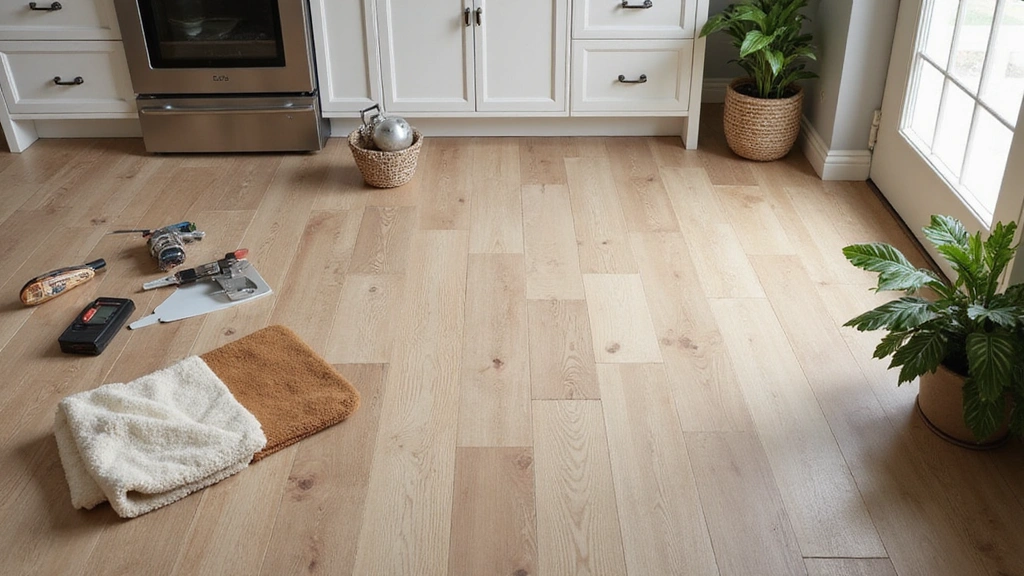
Choosing the right kitchen floor can feel overwhelming with so many options available, from classic tiles to trendy hardwood. A beautiful kitchen floor not only enhances the aesthetic but also sets the tone for family gatherings and culinary adventures. It’s essential to think about your lifestyle, the look you want to achieve, and the level of maintenance you’re prepared to handle.
Let’s break down the steps you should take to find the ideal flooring that fits both your needs and your style preferences, making your kitchen a space where function meets beauty.
Contents
- 1. Assess Your Lifestyle Needs
- 2. Explore Different Flooring Materials
- 3. Choose the Right Style and Design
- 4. Factor in Installation and Maintenance
- 5. Consider Comfort Underfoot
- 6. Think About Lighting
- 7. Calculate Budget and Costs
- 8. Do Your Research
- 9. Think About Resale Value
- 10. Explore Trends and Innovations
- 11. Consult with Professionals
- 12. Consider Climate and Environment
- 13. Test Samples at Home
- 14. Think Long-Term Durability
- 15. Make a Final Decision!
1. Assess Your Lifestyle Needs

Before you even think about styles, take a moment to assess how you use your kitchen. Are you a chef who needs durability, or perhaps busy with kids who love to play? Consider how much foot traffic your kitchen gets and whether spills or scratches tend to happen often.
For high-traffic kitchens, materials like vinyl are excellent choices as they can withstand a lot of wear and tear. Products like Art3d peel and stick floor tile vinyl wood plank offer a rigid surface that is easy to install and maintain. This vinyl flooring comes in a light grey finish and covers up to 54 square feet, making it a practical option for those who need a durable yet stylish flooring solution.
On the other hand, if you’re looking for a cozy vibe and don’t mind a bit of maintenance, hardwood could be perfect. However, if you want additional comfort and insulation, consider using QEP natural cork underlayment roll. This underlayment is 6 mm thick and covers 200 square feet, providing a soft surface that enhances comfort underfoot, especially for those long cooking sessions.
Remember, functionality should be your first priority—your kitchen floor should be as practical as it is stylish.
Key considerations:
– Durability against scratches and stains
– Comfort underfoot for long periods
– Ease of cleaning and maintenance
– Budget constraints
Take notes on your lifestyle needs and preferences before moving on to style options, as this will guide your choices significantly.
2. Explore Different Flooring Materials

The world of kitchen flooring materials is diverse, with each bringing its unique flair and functionality. Let’s break down some popular options.
1. Tile: Tile floors are highly durable, moisture-resistant, and come in endless designs. They are perfect for those who love intricate patterns or earthy tones.
2. Hardwood: Timeless and warm, hardwood floors offer a beautiful aesthetic. However, they require more maintenance to keep them looking their best.
3. Laminate: If you want the look of wood or stone without breaking the bank, laminate is a great alternative. It’s easy to install and, surprisingly, can be quite durable. For those considering this option, a reliable laminate flooring installation kit can be a valuable investment, making the installation process straightforward with tools like a tapping block and pull bar.
4. Vinyl: This is a go-to for practical homeowners. Vinyl is water-resistant and comes in many styles, including options that mimic natural materials. If you’re looking for a stylish yet affordable choice, check out the vinyl flooring planks. These peel and stick tiles are easy to install and provide a modern look, making them perfect for any kitchen.
5. Cork: This eco-friendly option is soft underfoot and provides good insulation. It’s ideal for those who want something unique and comfortable. You might consider cork flooring tiles that not only offer a distinctive aesthetic but also ensure comfort in your kitchen space.
– Check for warranties to ensure you’re covered for wear and tear.
– Consider the comfort level and sound insulation of your chosen material.
– Don’t forget about eco-friendly options if you’re going green.
Each material has its pros and cons, so weigh them carefully against your lifestyle and preferences.
3. Choose the Right Style and Design

Once you’ve settled on the material, it’s time to think about style! The kitchen floor can set the mood for the entire space, so you want to choose a design that complements your kitchen decor.
1. Modern: A sleek, minimalist tile or a polished concrete floor fits well in contemporary spaces.
2. Rustic: If your kitchen has a farmhouse feel, distressed hardwood or textured tiles add character.
3. Traditional: Classic patterns, like checkerboards in black and white tile, evoke a timeless charm.
4. Eclectic: Mix and match different patterns and colors to create a fun, inviting space.
Before making a decision, consider creating a mood board with colors and textures that inspire you. A great tool for this is the Mood Board Kit. It provides all the supplies you need to visualize your ideas and helps ensure that your chosen flooring will harmonize with the cabinets, countertops, and appliances.
Remember, the style should reflect your personality while providing a cohesive look. If you’re leaning towards a bold style, consider limiting your color palette to avoid overwhelming the design. For those interested in exploring flooring options, you can check out Tile Floor Samples to see how different styles might work in your space.
And if you’re planning on installing vinyl flooring, the Vinyl Plank Flooring installation kit can make the process smoother and more efficient. With the right tools and a clear vision, you’ll be well on your way to creating the perfect kitchen floor!
4. Factor in Installation and Maintenance

The installation process and maintenance required for various flooring types can be a dealmaker or breaker for many homeowners.
1. DIY vs. Professional: Some materials, like vinyl and laminate, are relatively easy to install yourself if you’re handy. If you’re considering a DIY approach, the vinyl flooring installation kit can be a great asset. It includes essential tools like a tapping block, contour gauge, and spacers, making the installation process smoother and more efficient. On the other hand, materials like tile or hardwood may require professional installation due to the skills and tools needed.
2. Maintenance Level: Some floors need more frequent cleaning and polishing (think hardwood), while others, like tile and vinyl, might just need a quick mop. For hardwood floors, using a quality cleaner can make a significant difference. The hardwood floor cleaner is an excellent choice as it’s residue-free and specially formulated for wood floors, ensuring they stay in top condition without damaging the surface.
3. Costs: Factor installation costs into your budget. Professional installation can significantly increase your total expenses, so if you opt for DIY, investing in the right tools can help offset some of these costs.
4. Longevity: Consider how long you want your new flooring to last. Higher-quality materials might be pricier upfront but could save you money in the long run with their durability. Always check if your flooring choice requires special cleaning products. For tile floors, having a dedicated cleaning tool can help maintain their appearance. The tile and grout cleaning brush is perfect for keeping stubborn stains at bay, making cleaning quick and effective.
Using the wrong cleaners can damage your investment, so make sure you have the right supplies on hand for both installation and maintenance.
5. Consider Comfort Underfoot

Let’s not forget about comfort! The kitchen is a space where you might spend hours cooking, cleaning, or entertaining, so the right flooring can make a huge difference in how your feet feel after a long day.
1. Cushioning: Soft materials like cork and vinyl provide a cushioned feel that’s easy on your joints. For an affordable option, consider Cork Flooring Tiles. These interlocking mats not only offer a soft surface but also bring a warm wood grain look into your space.
2. Warmth: Some flooring options, like cork and certain tiles, are naturally warmer underfoot, while others may feel cold without radiant heating. If you prefer a wood-like appearance, check out Vinyl Flooring Planks. These self-adhesive flooring tiles provide a rigid surface that’s comfortable and easy to install, ensuring your kitchen feels cozy.
3. Anti-slip features: Safety is paramount in the kitchen. Look for materials that provide traction to prevent slips, especially in busy households. Adding features like the Anti-Slip Area Rugs underfoot can enhance your safety while also providing extra comfort in high traffic areas.
4. Area rugs: Don’t shy away from adding area rugs to enhance comfort. Use them strategically around your sink or prep areas for an extra dose of coziness. The aforementioned Anti-Slip Area Rugs double as beautiful decor while keeping your flooring secure and comfy.
Always walk on a sample of the flooring you’re considering to feel how it might work in your kitchen. Getting a good sense of comfort can be the deciding factor!
6. Think About Lighting

Lighting can play a significant role in how your kitchen floor appears and affects the overall ambiance.
1. Natural light: If you have plenty of windows, natural light can enhance the beauty of your kitchen floor, making it look brighter and more inviting.
2. Artificial lighting: Consider how your flooring will look under different types of artificial light, like warm or cool bulbs. Each can bring out different tones in your flooring. For instance, using LED warm and cool light bulbs can help you find the perfect balance in your kitchen, allowing you to see how various finishes and colors are enhanced under different lighting conditions.
3. Reflective surfaces: Glossy tiles, such as glossy porcelain floor tiles, can create a bright and airy feel, but keep in mind they may also show dirt and scratches more clearly. If you’re concerned about maintenance, consider options like matte finish vinyl flooring, which can hide imperfections better while still providing an attractive look.
Test your flooring samples under the type of lighting you have in your kitchen to see how it truly looks. Good lighting can bring your kitchen floor to life, enhancing colors and patterns while creating a warm atmosphere that makes cooking and gathering even more enjoyable.
7. Calculate Budget and Costs

Your budget will always be a crucial factor when choosing a kitchen floor. Knowing what you can spend will help narrow down your options.
1. Price per square foot: Start by calculating the size of your kitchen and determining how much flooring you’ll need. Prices vary widely from affordable vinyl to high-end hardwood. For an economical yet stylish choice, consider vinyl flooring planks, which are not only budget-friendly but also easy to install.
2. Any additional costs: Don’t forget to account for installation, underlayment, and any tools you might need if you’re doing it yourself. Having a reliable set of tools can make the installation process smoother. The flooring installation tools set includes everything from a tapping block to spacers, ensuring you have the right equipment for a successful DIY project.
3. Overestimate for extras: It’s wise to purchase a little more flooring than you need to account for cuts and mistakes. Additionally, investing in quality underlayment for flooring can help with moisture control and noise reduction, making it a valuable component of your overall budgeting.
Look for sales or discount retailers to find quality flooring at lower prices. Sometimes overstock or clearance items can yield amazing savings.
Creating a budget isn’t just smart; it gives you peace of mind and allows you to focus on making choices that truly fit your style without financial stress.
8. Do Your Research

Before making a final decision, take the time to research your options thoroughly. Visit showrooms, read online reviews, and talk to friends or family about their experiences.
1. **Showrooms**: Nothing beats seeing and feeling flooring options in person. Check how different materials look together and how they feel underfoot. If you’re considering a specific type of flooring, you might find it helpful to order a flooring sample kit to take home and compare with your decor.
2. **Online Reviews**: Websites and forums can provide honest feedback about durability and maintenance from real users, which can be invaluable. Look for insights on various types of flooring to determine which will hold up best in your kitchen.
3. **Ask Questions**: Don’t hesitate to ask professionals questions about installation, warranty, and care. They can often provide insight that may not be apparent until you’re dealing with the material yourself. When it comes to installation, consider investing in a flooring installation tools set, which includes essential tools like a tapping block and pull bar to ensure a smooth process.
When researching, take notes on what you like and dislike about each option to help you narrow down your choices. If you find that your chosen flooring needs repairs down the line, having a flooring maintenance kit on hand can help you address issues quickly and effectively.
Diving into research can be time-consuming, but it can save you from costly mistakes and lead to a flooring option that you love for years to come.
9. Think About Resale Value

If you ever plan to sell your home, remember that the kitchen is one of the most scrutinized areas. The right flooring can enhance your home’s value and attract potential buyers.
1. Popular styles: Classic wood or high-quality tile often appeal to buyers. For a wood look without the high maintenance, consider luxury vinyl plank flooring, which mimics the warmth of hardwood but is waterproof and wear-resistant. Alternatively, porcelain tile is a stylish choice that can work well for both floors and backsplashes, adding a touch of elegance.
2. Neutral colors: If unsure, opting for neutral colors can help attract a broader range of buyers, making the space feel bigger and brighter. The engineered hardwood flooring in a light hickory finish could offer the perfect neutral tone while providing the charm of natural wood.
3. Quality matters: Install flooring that is durable, as buyers will look for materials that require minimal maintenance. The products mentioned not only help elevate the aesthetic of your kitchen but also ensure longevity and ease of upkeep, which are big selling points.
Keep receipts and warranty info as they can prove the value and quality of the flooring to potential future buyers. Thinking about resale may feel like a distant concern, but it can guide you to make a choice that not only fits your current needs but pays off down the line.
10. Explore Trends and Innovations

Flooring technology has come a long way! Staying updated on trends can inspire your choice and connect you with the latest innovations.
1. Sustainable materials: Eco-friendly options like bamboo flooring are gaining popularity, showing that you care about the environment while adding charm to your kitchen. These solid bamboo flooring planks not only look great but also provide a durable and sustainable option for your home.
2. Smart flooring: Innovations like heated floor mats are becoming more available. This electric heated floor system ensures fast, even warmth under your tiles, making cold kitchen floors a thing of the past. It’s a perfect addition for enhancing comfort and efficiency in your cooking space.
3. Mixed materials: Combining different flooring materials can create a unique look. Consider trying out mixed material flooring samples to see how tile in the cooking area and wood in the dining space can transform your kitchen. These peel and stick vinyl wood plank samples make it easy to experiment with various designs before committing.
Stay open to exploring what’s new. Many trendy options today can enhance both your lifestyle and kitchen aesthetics! Embracing trends can not only freshen your kitchen’s look but also provide enhanced functionality, making your cooking and dining experiences even more enjoyable.
11. Consult with Professionals

Don’t underestimate the value of consulting with flooring specialists! Experts can offer insights and suggestions tailored to your space and style.
1. Showroom Staff: Those who work in flooring stores often have extensive knowledge about the materials on display. They can guide you through your options and answer your questions. To help visualize your flooring choice, consider getting an flooring sample kit. This kit includes various samples to help you decide what fits best with your kitchen’s aesthetic.
2. Interior Designers: If you’re working with a designer, they can help you choose flooring that ties your entire kitchen together, matching colors and styles perfectly. A great addition to your design consultation is the home decor color palette guide, which can aid in selecting complementary colors and textures for your kitchen.
3. Contractors: If you decide to hire a pro for installation, discussing your flooring choice with them can help determine feasibility and installation costs. Making a solid plan before speaking with professionals can lead to a more fruitful conversation. Have your ideas, budget, and lifestyle needs ready to share!
Consulting with those in the industry can prevent costly mistakes and ensure that your chosen flooring meets both your desires and practical requirements.
12. Consider Climate and Environment

Your local climate can affect the performance and durability of your kitchen floor.
1. Humidity and Moisture: If you live in a humid area, consider flooring materials that resist moisture, like water-resistant vinyl flooring. This product offers a rigid surface that withstands moisture, making it an excellent choice for areas prone to humidity. Wood, on the other hand, can warp if not treated properly in high humidity environments.
2. Temperature: In colder climates, insulated materials or heated floors can make a significant difference in comfort. A great option is the heated floor mats, which come with a digital thermostat and floor temperature sensors. This system ensures your space stays warm and cozy during chilly days.
3. Maintenance Needs: Certain materials might require more upkeep based on your environment. For instance, sand can scratch softer floors in coastal areas. To combat potential scratches, consider using scratch-resistant tile flooring, which is both durable and waterproof, making it ideal for high-traffic areas like the kitchen.
Take your home’s specific climate into account when making a final decision. Choosing the right material can help avoid potential issues down the line.
By considering your environment, you’ll ensure that your kitchen floor remains stylish and functional for years to come, regardless of the weather!
13. Test Samples at Home

Nothing beats seeing how flooring looks in your actual kitchen. After narrowing down your choices, requesting samples of your top picks can make a significant difference. Consider using the flooring sample kit, which includes 10 pieces cut from rigid core planks, allowing you to test the appearance and feel of SPC vinyl flooring before making a final decision.
1. Light Conditions: Observe how the flooring looks at different times of day. Natural light can change how colors and patterns appear.
2. Compatibility: Place samples next to your cabinets, countertops, and walls to see how they work together.
3. Comfort Check: Walk on the samples barefoot to gauge comfort levels. You want to ensure they are pleasant to stand on for longer periods.
Take photos of the samples in your kitchen to compare later. You may notice things you didn’t spot in person! Testing samples at home, such as those from the flooring sample kit, helps solidify your decision and ensures you’re making the right choice for your kitchen’s overall aesthetic and comfort.
14. Think Long-Term Durability

Choosing a kitchen floor is an investment, so focusing on durability can save you time and money in the long run. Here are a few key factors to consider when selecting a floor that will stand the test of time.
1. **Wear Resistance**: Consider how resistant the flooring is to scratches, dents, and moisture. For instance, the Art3d interlocking luxury vinyl flooring tile is waterproof, anti-slip, and wear-resistant, making it an excellent choice for high-traffic areas like the kitchen.
2. **Lifespan**: Some materials, such as porcelain tiles, can last decades with proper care. The MS International La Paloma encaustic porcelain tile is perfect for kitchen backsplashes and floors and offers both durability and style, ensuring your space remains beautiful for years.
3. **Warranty**: Always check the warranty offered by the manufacturer, as it’s a good indicator of how long you can expect it to last. Products like Rust-Oleum 293513 RockSolid polycuramine garage floor coating come with warranties that suggest high durability and performance, ideal for those wanting to enhance their kitchen’s resilience.
If you’re unsure about the durability of a material, ask professionals or previous users about their experiences. Investing in a long-lasting floor can keep your kitchen looking fresh and beautiful, reducing the need for replacements or repairs.
15. Make a Final Decision!

With all the factors considered, it’s time for the moment of truth—making a final decision!
1. Review Your Notes: Before committing, review everything you’ve learned about your options, including personal preferences and research findings. Consider how a product like the Vinyl Flooring Planks could fit into your vision for the space. These easy-to-install, self-adhesive tiles are perfect for DIY projects and offer a sleek, modern look.
2. Trust Your Gut: Sometimes, the flooring you’re most drawn to is the right one. Go with something that excites you! Whether it’s the look of natural wood or a bold color, choosing flooring that resonates with you will make your kitchen feel like home.
3. Prepare for Installation: Once you’ve decided, prepare for the installation process. Make sure to clear your kitchen and communicate with your installer about your expectations. To ensure a smooth installation, consider using a flooring installation tools kit. This kit includes essential tools like a tapping block, pull bar, and spacers, which can make the process much easier and more efficient.
Celebrate after you finalize your choice! Your new kitchen floor will be the foundation of countless meals and memories to come. To enhance your newly installed floor, consider adding an area rug for kitchen. This non-slip, washable rug set not only adds comfort underfoot but also brings a touch of style to your kitchen.
Choosing the perfect kitchen floor is not just about aesthetics; it’s about creating a space that feels like home. With your decision made, you can look forward to enjoying the beauty and functionality of your new floor for years ahead.
Conclusion

Choosing the right kitchen floor is a journey that involves careful consideration of your lifestyle, preferences, and practical needs. With these steps in mind, you’ll be well on your way to creating a warm, inviting kitchen that reflects your unique style.
As you finalize your decision, remember to enjoy the process and embrace the transformation your new flooring will bring to your home. Happy decorating!
Note: We aim to provide accurate product links, but some may occasionally expire or become unavailable. If this happens, please search directly on Amazon for the product or a suitable alternative.
This post contains Amazon affiliate links, meaning I may earn a small commission if you purchase through my links, at no extra cost to you.
Leave a Reply