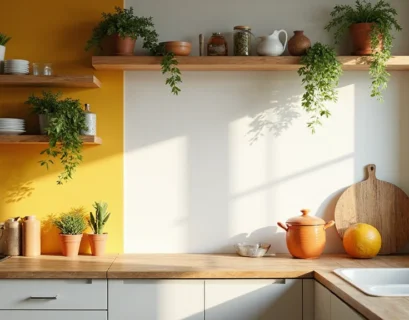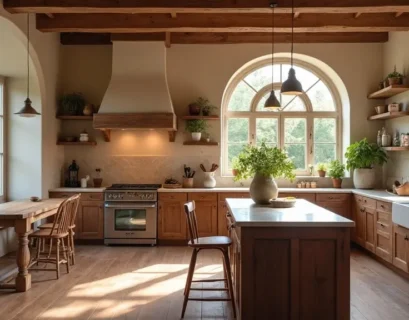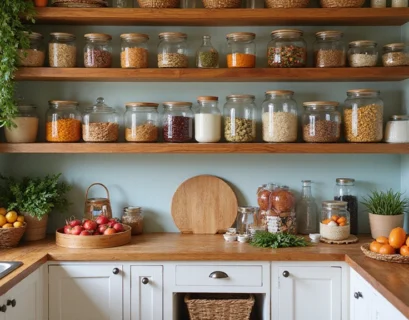
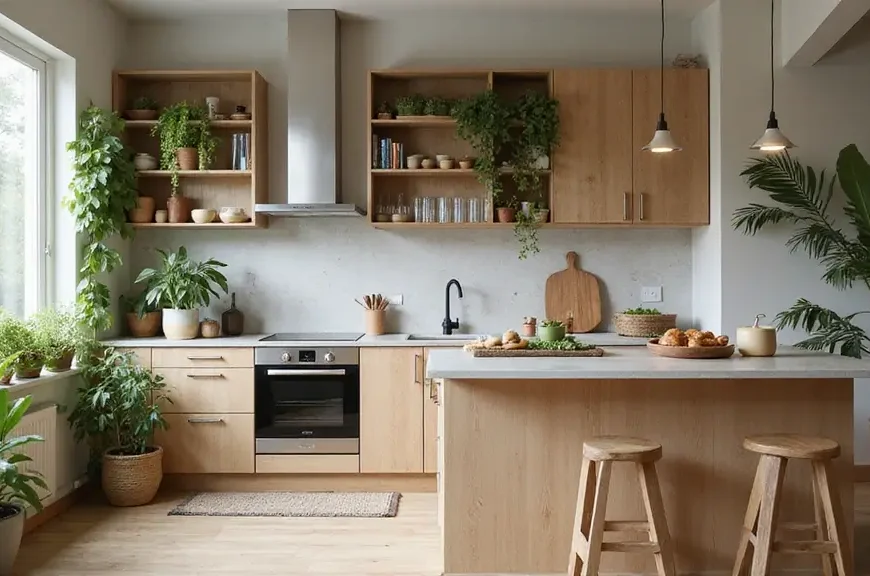
Sustainable kitchen design isn’t just a trend; it’s a necessity. As we inch closer to 2026, embracing eco-friendly solutions in our cooking spaces is becoming more crucial than ever. These kitchens are not only practical but also wallet-friendly, allowing us to save money while being kind to the earth. From innovative materials to energy-efficient appliances, the sustainable designs of the future are all about creating a harmonious balance between aesthetics and environmental stewardship.
Each of these ideas highlights creativity, functionality, and eco-consciousness—all key to a well-rounded kitchen that speaks to the modern homeowner’s values. Get ready to explore sustainable kitchen designs that make a difference while adding charm and character to your home!
Contents
- 1. Upcycled Materials Galore
- 2. Solar-Powered Appliances
- 3. Smart Storage Solutions
- 4. Energy-Efficient Lighting
- 5. Low-VOC Paints
- 6. Reclaimed Stone Countertops
- 7. Water-Saving Fixtures
- 8. Natural Textures and Finishes
- 9. Multi-Functional Spaces
- 10. Low-Maintenance Landscaping
- 11. Smart Energy Systems
1. Upcycled Materials Galore

One of the most exciting trends for 2026 is the extensive use of upcycled materials. Think reclaimed wood for cabinetry or countertops made from recycled glass, which can instantly elevate your kitchen’s aesthetic. For example, you can incorporate a reclaimed wood cutting board that not only serves as a functional piece but also adds a rustic charm and character to your space. Each unique piece has a story, enhancing the warmth of your kitchen.
Additionally, consider using recycled glass elements, such as in a countertop. A recycled glass countertop sample kit can showcase how beautiful and sustainable materials can be. These options not only reduce waste but also provide a stunning visual impact in a modern kitchen layout.
When it comes to finishing touches, you might want to look into eco-friendly paint for cabinets. This product allows you to personalize your cabinetry while being kind to the environment. With built-in primer and a matte finish, it eliminates the need for additional waxing, making the process smoother and more efficient.
By embracing upcycled materials and these innovative products, you not only contribute to sustainable design but also create a kitchen that is truly one-of-a-kind, reflecting your commitment to the planet.
2. Solar-Powered Appliances

Imagine cooking your meals using the power of the sun! Solar-powered appliances are becoming more accessible and efficient, making them a hot trend for 2026. From solar ovens to energy-efficient stoves, these appliances can drastically reduce your energy consumption.
– Cost-effective: While the initial investment may be higher, you’ll save money in the long run due to lower energy bills. For instance, the solar oven is portable and great for outdoor use, allowing you to cook meals without increasing your electricity costs.
– Eco-friendly: By harnessing renewable energy, you’re doing your part to reduce carbon emissions. The solar-powered stove not only provides a way to prepare meals sustainably but also encourages you to enjoy outdoor cooking while being kinder to the planet.
– Smart technology: Many solar appliances come with smart features, allowing you to monitor energy usage from your smartphone. For a more integrated solution, consider the EBL solar panel. This versatile product can power various kitchen appliances and provides the necessary energy for your cooking needs, ensuring that you’re always connected and efficient.
Integrating solar-powered appliances into your kitchen will not only drive down costs but also promote a greener lifestyle.
3. Smart Storage Solutions

Effective storage is a must in any kitchen, and 2026 is seeing a rise in smart storage solutions designed with sustainability in mind. These systems help reduce waste by keeping your ingredients organized and easily accessible, minimizing the chance of spoilage.
– **Modular designs**: Choose storage that can be adapted to your needs, such as adjustable shelves or pull-out racks. A great option is the adjustable bamboo shelving unit, which offers six tiers of versatile storage that can be used in the kitchen, bathroom, or home office.
– **Sustainable materials**: Opt for cabinets made from bamboo or other renewable resources. The use of bamboo not only looks great but is also eco-friendly, making it a fantastic choice for sustainable kitchen design.
– **Underutilized spaces**: Use the area above cabinets or the backs of doors for additional storage. The over-the-door storage rack features nine adjustable baskets that can help you organize seasonings and keep everything within reach, all while maximizing your space.
Smart storage not only organizes your kitchen but also contributes to sustainability by maximizing efficiency and minimizing waste. Consider adding a pull-out pantry rack for your cabinets. This slide-out organizer allows easy access to spices and pantry items, helping you keep everything organized and fresh, reducing the risk of spoilage.
4. Energy-Efficient Lighting

Lighting plays a vital role in any kitchen design, and energy-efficient solutions are becoming a staple. For instance, LED lights use significantly less energy than traditional bulbs and can last up to 25 times longer. Consider using dimmable LED light bulbs that not only allow you to customize brightness levels but also save even more energy when adjusted to your needs.
To further capitalize on natural light, maximize windows and skylights in your kitchen. If you’re considering adding skylights, the skylight window kit is a great option, providing a waterproof seal that can help you take advantage of sunlight while maintaining your home’s comfort.
Additionally, smart lighting systems can enhance your energy efficiency. Products like the smart LED light strip allow you to control your lighting through an app, enabling automation based on the time of day or occupancy. This not only brightens your kitchen but also enhances its sustainability and ambiance, making it a more enjoyable space to cook and gather.
5. Low-VOC Paints

Choosing paints with low volatile organic compounds (VOCs) is a simple way to make your kitchen more eco-friendly. Conventional paints can release harmful chemicals into the air, affecting indoor air quality. Low-VOC paints are formulated to minimize these emissions while providing vibrant colors.
– Healthier environment: You’ll breathe easier with paints that are safe for you and your family. For a great option, consider low-VOC interior paint, which is ultra low VOC and biodegradable, making it a responsible choice for your kitchen.
– Wide variety: Today’s low-VOC paints come in various colors and finishes, ensuring you don’t compromise on style. You can easily find a match for your decor that meets your eco-friendly needs.
– Durability: Many low-VOC paints are designed to withstand the wear and tear of a busy kitchen, maintaining their appearance over time. For the best foundation, consider using paint primer with low VOC to enhance the longevity and effectiveness of your paint choice.
Opting for low-VOC paints elevates your kitchen’s design while promoting a healthier living space.
6. Reclaimed Stone Countertops

Reclaimed stone countertops are a chic and sustainable option for your kitchen in 2026. These surfaces often come from old buildings, bridges, and other structures, giving them a distinct character and history.
– Unique aesthetics: Each slab tells a story, showcasing natural imperfections that add to the beauty of your kitchen.
– Durability: Reclaimed stone is often more durable than newly sourced materials, making it a practical choice.
– Lower carbon footprint: Using reclaimed materials reduces the demand for new resources, which is better for the environment.
To enhance your experience with reclaimed stone countertops, consider acquiring a reclaimed stone countertop sample. This sample allows you to appreciate the unique textures and colors firsthand before making a decision for your kitchen.
Furthermore, once you choose your reclaimed stone, you’ll want to protect its beauty with a high-quality sealer. The eco-friendly countertop sealer is a great option. It is food-safe, waterproof, UV resistant, and offers a matte finish, ensuring that your countertops remain stunning and functional for years to come.
Choosing reclaimed stone countertops not only enhances the visual appeal of your kitchen but also supports sustainable practices. Embrace the charm of these unique slabs that help reduce your carbon footprint while adding timeless elegance to your sustainable kitchen design.
You might also like

12 Modern Kitchen Cabinets That Will Transform Your Cooking Space (You Won't Believe #5!) – papayawhip-goshawk-269863.hostingersite.com/
Related Article
7. Water-Saving Fixtures

Water conservation is becoming increasingly important, which is why water-saving fixtures are essential for any kitchen in 2026. These innovative designs reduce water usage without sacrificing performance.
– Low-flow faucets like the Niagara Conservation N3610CH Tri-Max 1-Spray 0.5-1.5 GPM Faucet Aerator are perfect for washing dishes or filling pots. This faucet maintains pressure while using significantly less water, helping you save on your utility bills while being eco-friendly.
– Smart technology has also made its way into kitchen fixtures. Consider the Touchless Sensor Bathroom Sink Faucet, which can be programmed to dispense water in specific amounts. This feature minimizes waste and adds a touch of modern convenience to your kitchen.
– Don’t forget the importance of water-saving toilets, especially in your kitchen’s restroom. The Swiss Madison St. Tropez Dual-Flush Toilet offers a choice between 1.1 and 1.6 gallons per flush, allowing you to save significant water over time.
Investing in water-saving fixtures not only lowers your utility bills but also helps preserve one of our most precious resources.
8. Natural Textures and Finishes

In 2026, a strong emphasis on natural textures and finishes is set to define sustainable kitchen design. Materials like bamboo, stone, and cork not only provide aesthetic appeal but also serve as eco-friendly options that add warmth and depth to your space.
To create a layered look, consider incorporating a mix of these materials to achieve an inviting and unique aesthetic. For instance, using bamboo cutting boards can enhance your kitchen both functionally and visually. This set of three wood cutting boards is perfect for chopping various ingredients, and their natural beauty complements any kitchen decor.
Easy maintenance is essential in busy kitchens, and many natural materials excel in this regard. The durability of items like natural cork coasters ensures they withstand daily use while protecting your surfaces from damage. These absorbent coasters are perfect for both drinks and hot dishes, making them a practical addition to your kitchen.
When selecting materials, it’s crucial to prioritize sustainable sourcing to support eco-friendly practices. Incorporating items like the stoneware mixing bowl not only enhances your kitchen’s style but also reflects a commitment to responsible material choices. The robust nature of stoneware makes it an ideal candidate for various cooking tasks while also contributing to a grounded, earth-connected atmosphere.
Decorating with natural textures allows you to create a kitchen that feels both welcoming and sustainable, bringing the beauty of the outdoors into your home.
9. Multi-Functional Spaces

Kitchens are evolving into multi-functional spaces that serve various purposes beyond just cooking. In 2026, you can expect kitchens to transform into cooking, dining, and even working zones, promoting efficient use of space and resources.
To make the most of your kitchen, consider incorporating an expandable dining table. This versatile piece can accommodate 4 to 8 people, making it perfect for family meals and gatherings, while its space-saving design allows you to adjust its size as needed.
Additionally, integrating smart technology like the Smart Kitchen Hub can significantly enhance your kitchen experience. With a built-in Fire TV and Alexa, it can help manage tasks from cooking to video conferencing, seamlessly blending entertainment and productivity into your kitchen space.
Open layouts further enhance the functionality of your kitchen. A modular kitchen island can serve as a central hub for cooking, dining, or even working. Its stylish design and storage options ensure that your kitchen remains organized while promoting better flow and accessibility, encouraging family interaction.
Designing your kitchen as a multi-functional space optimizes its use and enhances family bonding and daily activities.
10. Low-Maintenance Landscaping

For those with outdoor kitchens or garden spaces, low-maintenance landscaping is a significant trend that enhances your kitchen’s outdoor experience while reducing upkeep. One of the best strategies is to choose native plants that thrive in your local climate, which helps to reduce water usage and reliance on chemical fertilizers. To get started, you might consider the native plant seed pack, featuring a selection of umbrella bamboo seeds that are well-suited for sustainable gardens.
Another great way to combine aesthetics with functionality is through edible landscaping. Incorporating herbs and vegetables into your garden designs not only beautifies your space but also provides fresh ingredients for your cooking. An excellent option for this is the herb garden starter kit, which includes a variety of herbs perfect for window sills or outdoor planters.
When it comes to the materials you use, opting for sustainable options can make a significant difference in both aesthetics and functionality. Utilizing permeable paving helps enhance drainage and supports a healthy environment. Check out the permeable paving stones, made from 100% recycled PPE plastic, to create a durable and environmentally friendly foundation for your outdoor space.
Creating a low-maintenance landscape not only keeps your outdoor area beautiful but also aligns with sustainable practices, allowing you to enjoy your kitchen in harmony with nature.
11. Smart Energy Systems

Smart energy systems are revolutionizing how we power our homes, including kitchens. In 2026, integrating these systems can significantly increase energy efficiency, leading to lower bills and a reduced carbon footprint.
One excellent way to start is by using an Emporia Vue 3 home energy monitor. This smart energy monitor allows you to track your energy usage in real-time, helping you identify areas where you might be wasting electricity. By being more aware of your consumption, you can make informed decisions that lead to savings on your energy bills.
For those looking to automate their energy management, consider the TP-Link Tapo smart plug with energy monitoring. This device lets you schedule appliances to run during off-peak hours, so you can take advantage of lower energy rates and further reduce costs. Plus, it’s compatible with Alexa and Google Home, making it a seamless addition to your smart home setup.
If you’re interested in generating your own energy, the ECO-WORTHY solar panel kit for home use is a fantastic option. This kit combines a high-efficiency monocrystalline solar panel with a charge controller, allowing you to harness renewable energy for your kitchen and beyond. By investing in solar energy, you not only minimize your carbon footprint but also empower yourself with the ability to produce clean energy right at home.
Investing in smart energy systems maximizes efficiency and gives you control over your home’s energy consumption, helping to save both the planet and your wallet.
Conclusion

The future of sustainable kitchen design is bright and full of possibilities! From upcycled materials to biophilic designs, these trends not only help save the planet but can also lead to significant savings for your wallet. As you plan your kitchen for 2026, consider how these ideas can transform your space into an eco-friendly haven that reflects your style and values.
Which of these innovations piqued your interest the most? Let’s embrace sustainability together!
Note: We aim to provide accurate product links, but some may occasionally expire or become unavailable. If this happens, please search directly on Amazon for the product or a suitable alternative.
This post contains Amazon affiliate links, meaning I may earn a small commission if you purchase through my links, at no extra cost to you.
Frequently Asked Questions
What Are the Key Benefits of Sustainable Kitchen Design?
Sustainable kitchen design offers a multitude of benefits that go beyond aesthetics. Not only does it contribute to a healthier planet by reducing waste and conserving resources, but it can also lead to significant cost savings on your utility bills. By incorporating energy-efficient appliances and water-saving fixtures, you’ll be making a smart investment for both your kitchen and your wallet. Plus, a well-designed sustainable kitchen can enhance your cooking experience by promoting fresh, organic ingredients through features like vertical gardens!
How Can I Start Implementing Sustainable Practices in My Kitchen Today?
Starting your journey toward a sustainable kitchen is easier than you might think! Begin by replacing single-use items with biodegradable or compostable materials. Next, consider investing in energy-efficient appliances and LED lighting to reduce your energy consumption. You can also explore using upcycled materials for your countertops or cabinetry, and don’t forget to incorporate indoor composting systems to minimize food waste. Every small step counts in creating an eco-friendly kitchen!
What Materials Are Best for a Sustainable Kitchen Design?
When it comes to sustainable kitchen design, materials matter! Opt for upcycled materials, such as reclaimed wood for cabinetry or recycled glass for countertops. Additionally, consider natural materials like bamboo, stone, and cork, which are not only eco-friendly but also bring a beautiful, organic feel to your space. Low-VOC paints are also vital for maintaining healthy indoor air quality while adding color and character to your kitchen.
What Are Some Futuristic Features to Expect in Sustainable Kitchens by 2026?
By 2026, sustainable kitchens are expected to incorporate some truly exciting features! Think solar-powered appliances that harness the sun’s energy for cooking, smart energy systems that optimize power usage, and innovative water-saving fixtures that enhance conservation without sacrificing performance. Additionally, biophilic design elements will be prominent, creating a seamless connection between your kitchen and the natural world, which has been shown to improve well-being.
How Does Sustainable Kitchen Design Impact My Health?
Sustainable kitchen design can have a positive impact on your health in several ways. By using low-VOC paints and eco-friendly materials, you create a healthier indoor environment with better air quality. Incorporating features like vertical gardens allows you to grow fresh herbs and vegetables right at home, promoting a diet rich in organic produce. Plus, by reducing waste and conserving resources, you’re also contributing to a healthier planet—it’s a win-win!